
Osteoporosis
Bone that has become thin and brittle, so it can break even in a light fall. It usually causes no pain at all until something breaks — which is why testing, diet, movement and medicine all matter.
What it is
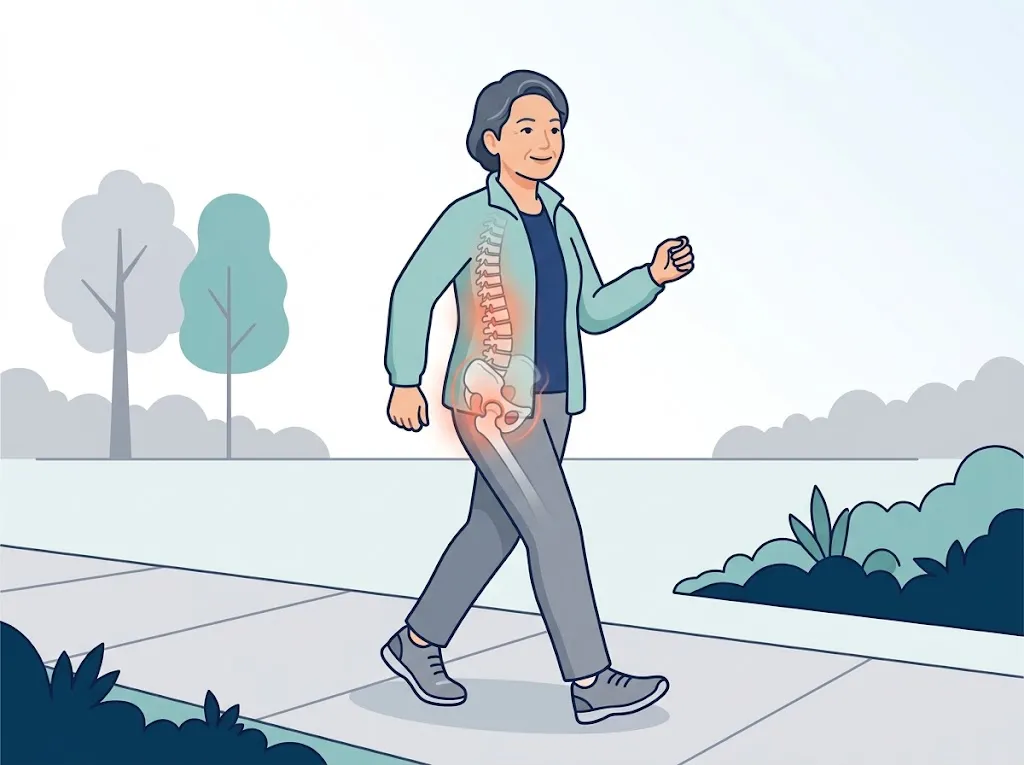
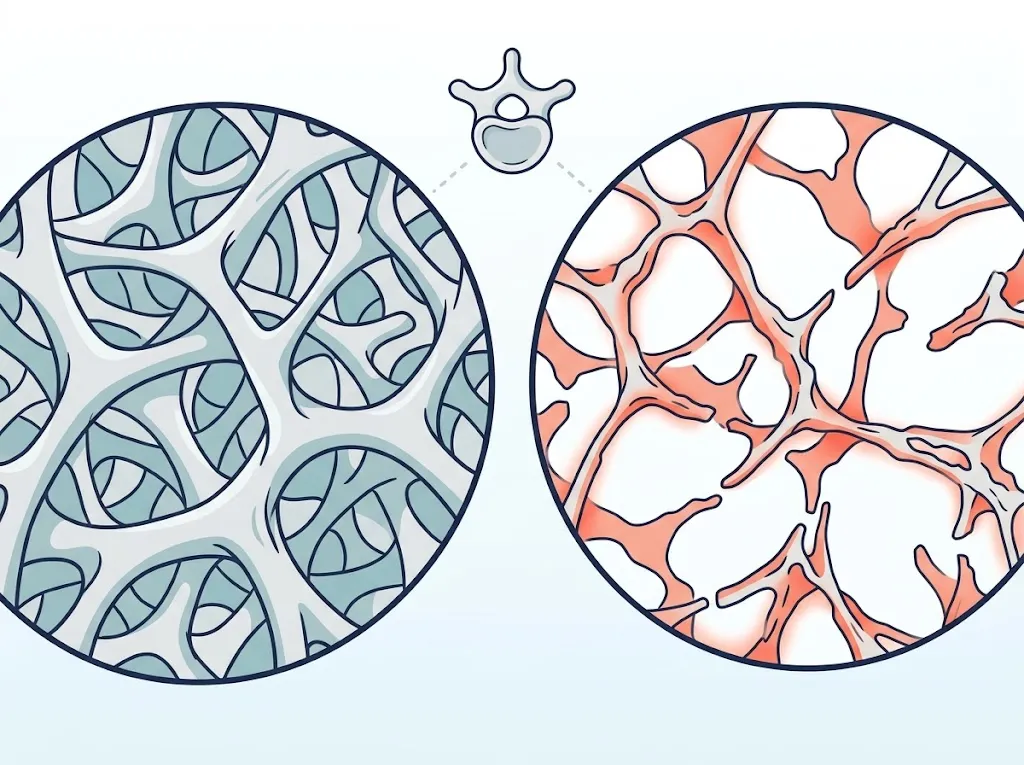
Osteoporosis means the bone has become thin and brittle, so it can break even in a light fall. It usually causes no pain at all until something breaks. Eating well, exercising, and taking the medicine your doctor prescribes all lower the chance of a break.
Bone is not a fixed block. Old bone is broken down and new bone is built throughout life. In young adults building outpaces breakdown; with age, and particularly after the menopause, breakdown pulls ahead and bone gradually thins.
Two words get used. Thinning bone (osteopenia) means it has started but has not reached the threshold. Osteoporosis means it has.
Symptoms
Osteoporosis is often called a silent disease, because thinning bone does not hurt. There are three things you can notice.
- Losing height. Measure your height every six months. A loss of 2 cm or more should be reported to your doctor, as a bone in your back may have collapsed.
- A back that becomes rounded, particularly the upper back.
- Breaking a bone in a small fall — falling from standing and breaking a wrist, or a hip. This is called a fragility fracture and it is the clearest sign of all.
A collapsed bone in the spine does not always hurt in an obvious way. Some people find out only because they have lost height, or from an X-ray taken for another reason.
Causes and risk factors
Things you cannot change:
- Getting older
- Being female, and the menopause, because falling oestrogen speeds up bone breakdown
- A parent who broke a hip
- A small frame and low body weight
Things you can do something about:
- Smoking, which thins bone directly
- Drinking a lot, which thins bone and makes falls more likely
- Moving too little. Bone is strengthened by bearing weight; sitting and lying thin it faster
- Not getting enough calcium and vitamin D
- Steroid tablets for three months or more
- Some illnesses, such as an overactive thyroid or a gut that does not absorb food well
When to see a doctor
The signs below need urgent attention.
Beyond those, ask your doctor about a bone density scan if you are in one of these groups. A scan is usually advised for the people below, though your own doctor decides this with you.
- Every woman aged 65 and over, and every man aged 70 and over
- Women past the menopause but under 65, if they are underweight, smoke, drink a lot, or a parent broke a hip
- Men aged 50 to 69 with those same risks
- Anyone over 50 who has broken a bone in a small fall
- Anyone taking steroid tablets for 3 months or more
- Anyone who has lost 2 cm or more in height, or whose back has become rounded
- Anyone with an illness that thins bone, such as an overactive thyroid or a gut that does not absorb food well
How it is diagnosed
The diagnosis is based on two things only: your bone scan result, and whether you have broken a bone in a small fall. Age, steroids and falls raise the risk of breaking a bone, but they do not by themselves create the diagnosis.
The bone density scan
Called a DXA, it is a very low-dose X-ray of the hip and spine. It takes a few minutes, does not hurt, and needs no preparation. The result is a number called the T-score.
The T-score is a number that says how solid your bones are, compared with a healthy young adult.
| T-score | What it means |
|---|---|
| Above −1 | Normal |
| Between −1 and −2.5 | Thinning bone |
| −2.5 or lower | Osteoporosis |
When several sites are measured, your doctor uses the lowest value, because the thinnest place is the one most likely to break.
Estimating your 10-year fracture risk
A standard tool called FRAX uses your health history to estimate how likely a break is over the next ten years. Your doctor runs it and interprets it. It helps decide whether it is time to start medicine, particularly when the scan sits in the thinning-bone range.
Other tests
Your doctor may take blood to look for a cause of thin bone — calcium level, kidney function, thyroid function and vitamin D level — and may X-ray the spine if a collapsed bone is suspected.
Treatment options
Care has two halves that always go together: making the bone stronger, and stopping you falling. They are managed differently, which is why both need attention.
Non-surgical treatment
Calcium
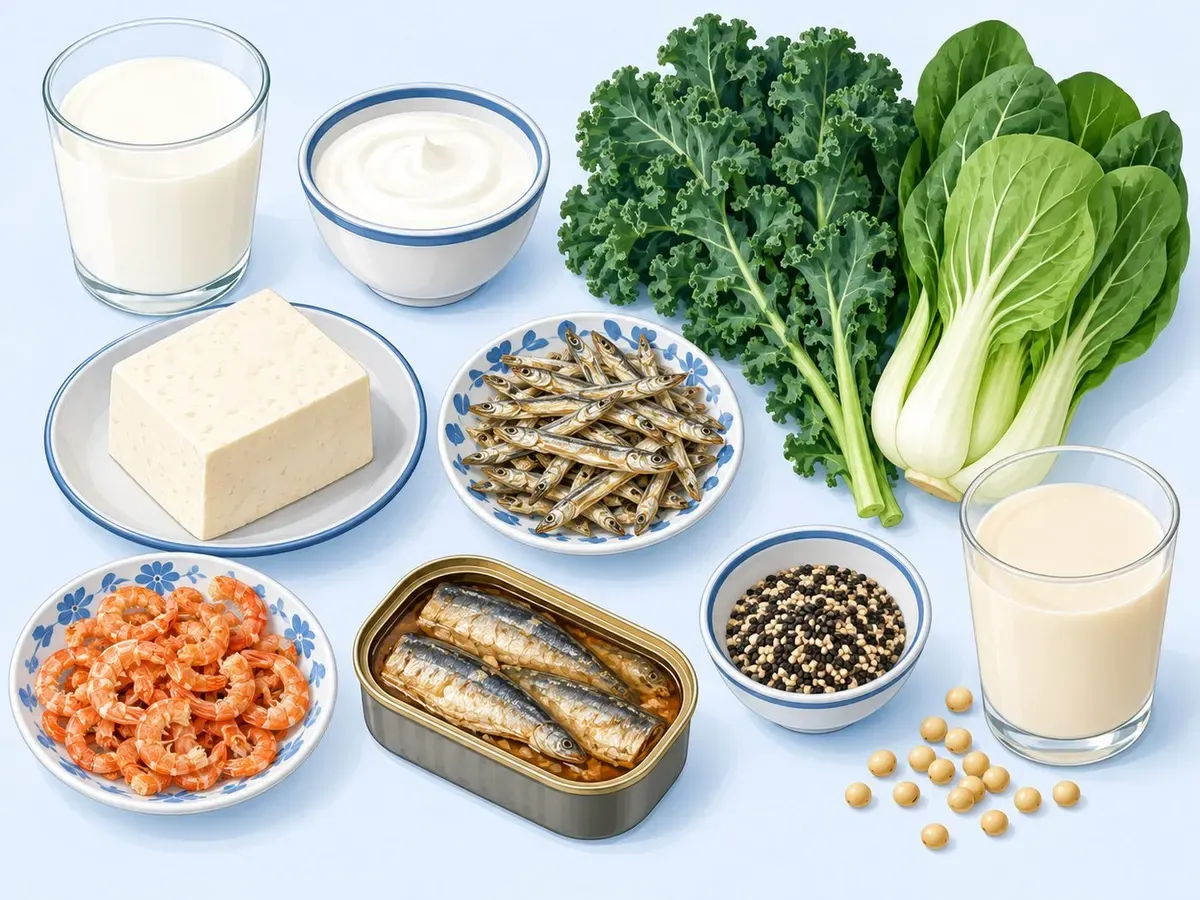
Your body needs calcium every day, and many everyday Thai foods are rich in it.
- A glass of milk or a pot of yoghurt gives about 300 mg
- Two tablespoons of small whole fish or dried shrimp gives about 220 mg, because you eat the bones
- Half a tin of fish with soft bones gives about 240 mg
- Half a cup of firm tofu, or a tablespoon of black sesame, gives about 130 mg
- A cup of cooked dark greens such as Chinese kale, ivy gourd or noni leaf gives about 150 mg
- Little and often works better than all at once, because the body takes in only about 500 mg at a time
Vitamin D
Vitamin D is what lets your body take in calcium. Without it, no amount of calcium is enough.
- Sunlight matters most: let the sun reach your arms or legs for 10 to 15 minutes, 2 or 3 times a week
- Choose gentle sun, before 9 in the morning or after 4 in the afternoon
- Foods with vitamin D include oily sea fish such as salmon and mackerel, egg yolk, and sun-dried mushrooms
- If you get little sun, take a vitamin D supplement as your doctor advises

What to cut down
Some things make bone thin out faster. It helps to cut down or avoid them.
- Very salty food such as fish sauce, soy sauce, pickles and instant noodles — salt washes calcium out in your urine
- Coffee — no more than 2 cups a day
- Alcohol — no more than 2 drinks a day, as it thins bone and makes falls more likely
- Fizzy drinks — people often drink them instead of milk, and they are high in phosphate
- Cigarettes — worth stopping altogether, as they thin bone directly
Medicines
Medicine for thin bones really does lower the chance of a break, but only if you keep taking it. The main groups are below. This page gives no doses — the dose and the choice must come from your own doctor.
| Medicine | What it does | Tell your doctor if |
|---|---|---|
| Oral bisphosphonate | Slows down the breakdown of bone, making it stronger and less likely to break | You have kidney problems or low blood calcium, you are about to have dental work, or you develop lasting pain in the outer thigh |
| Zoledronate infusion | A bisphosphonate given by drip that works for a whole year | You have kidney problems or low blood calcium, or you are about to have dental work |
| Denosumab injection | Blocks the cells that break down bone, increasing bone density | You are due to have a tooth out or oral surgery, you have kidney problems, or you develop a skin infection |
| Teriparatide | Stimulates the body to build new bone; used at very high fracture risk | You have had bone cancer or radiation to the bone, high blood calcium, or kidney stones |
| Romosozumab | Builds new bone and reduces breakdown at once, as a 12-month course | You have had a heart attack, angina or a stroke |
Surgery
Osteoporosis itself is not treated surgically. Surgery comes in once a bone has broken — fixing or replacing a broken hip, or in selected people injecting cement into a collapsed bone in the spine when the pain cannot be managed any other way.
Just as important as the operation: after a break, treatment for the osteoporosis needs to start, because someone who has broken one bone is at high risk of breaking another.
Recovery and rehabilitation
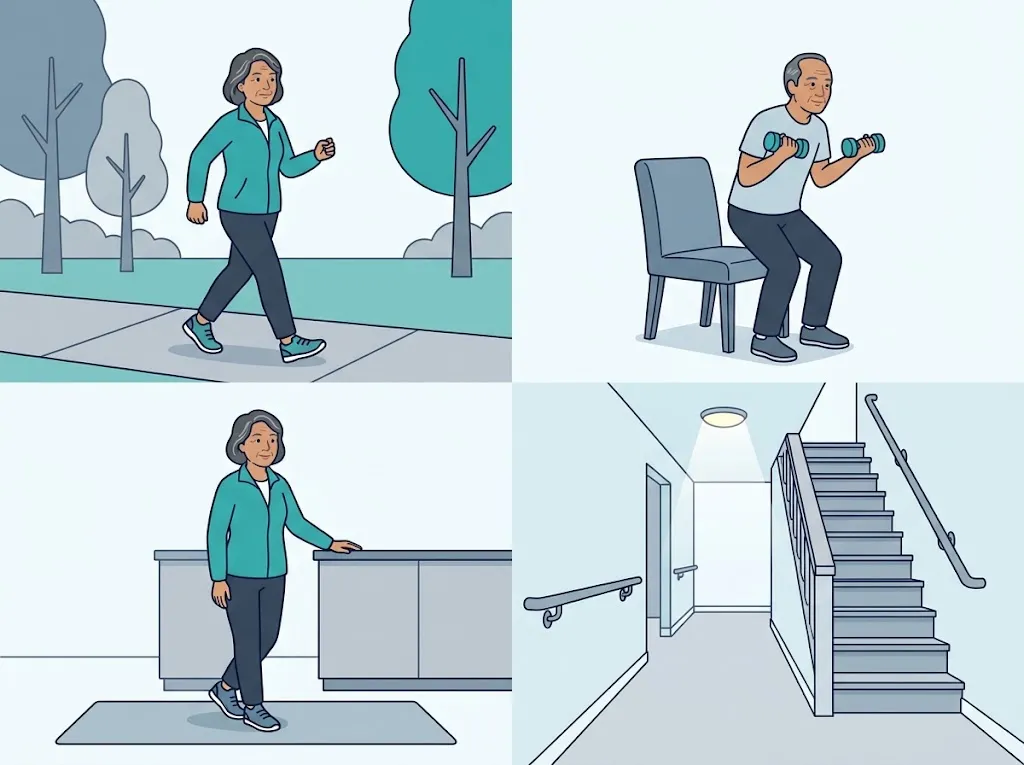
Movement is part of the treatment, not an optional extra. These exercises are chosen to suit thin bone. Go slowly and stop at once if you feel sore or dizzy.
Balance
Sit-to-stand with support
2 rounds · 10 times
Sit at the front of the chair with feet hip-width apart. Hold the armrests or a table, lean forward slightly, stand up slowly, then lower yourself back down under control.
A short clip with no sound. Nothing downloads until you press play.
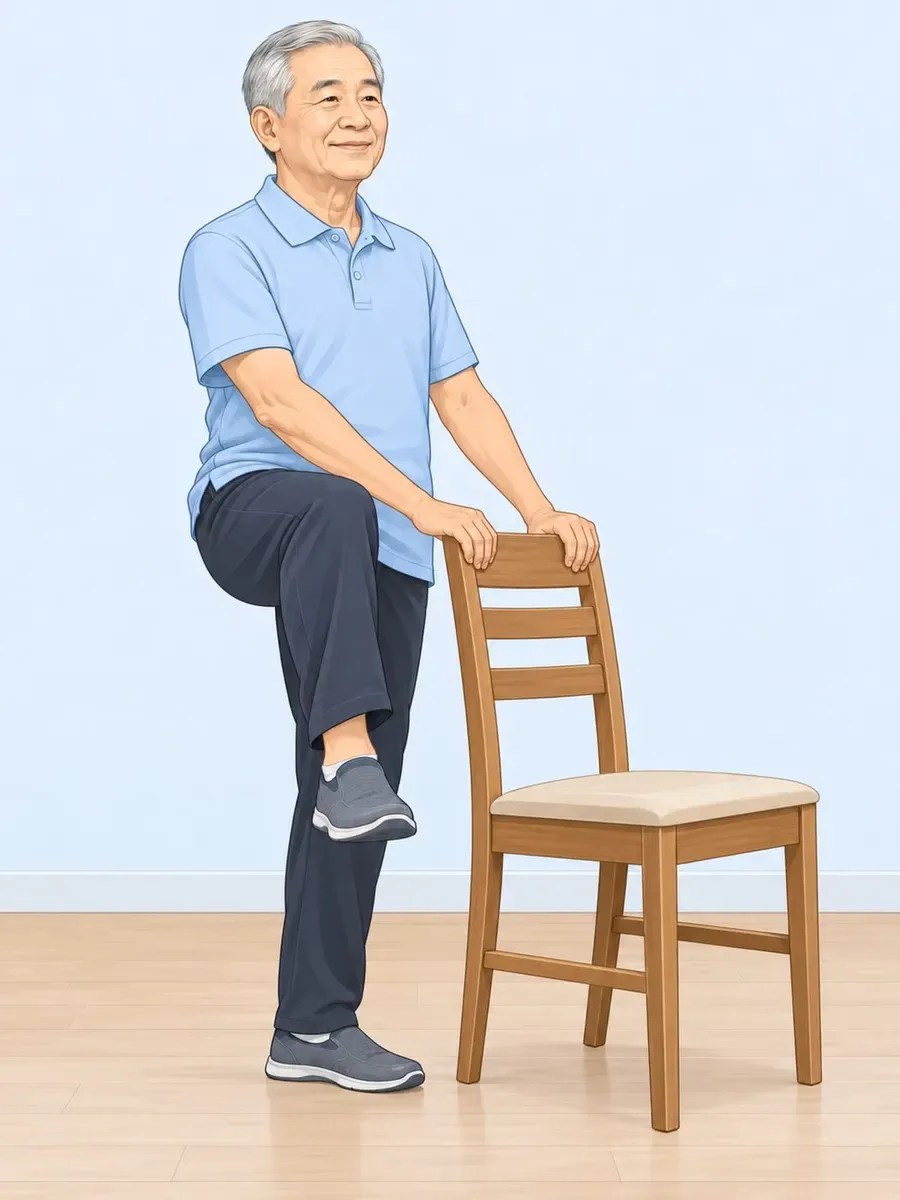
Standing marching
10 times each side
Stand behind the chair holding the back with both hands. Slowly lift one knee then the other, as high as is comfortable. Keep your body upright and breathe normally.
Side-to-side weight shifts
10 times each side · hold 3 seconds
Stand holding the chair with feet shoulder-width apart. Slowly shift your weight onto the left leg until the right foot feels light, hold for 3 seconds, then swap sides.
A short clip with no sound. Nothing downloads until you press play.
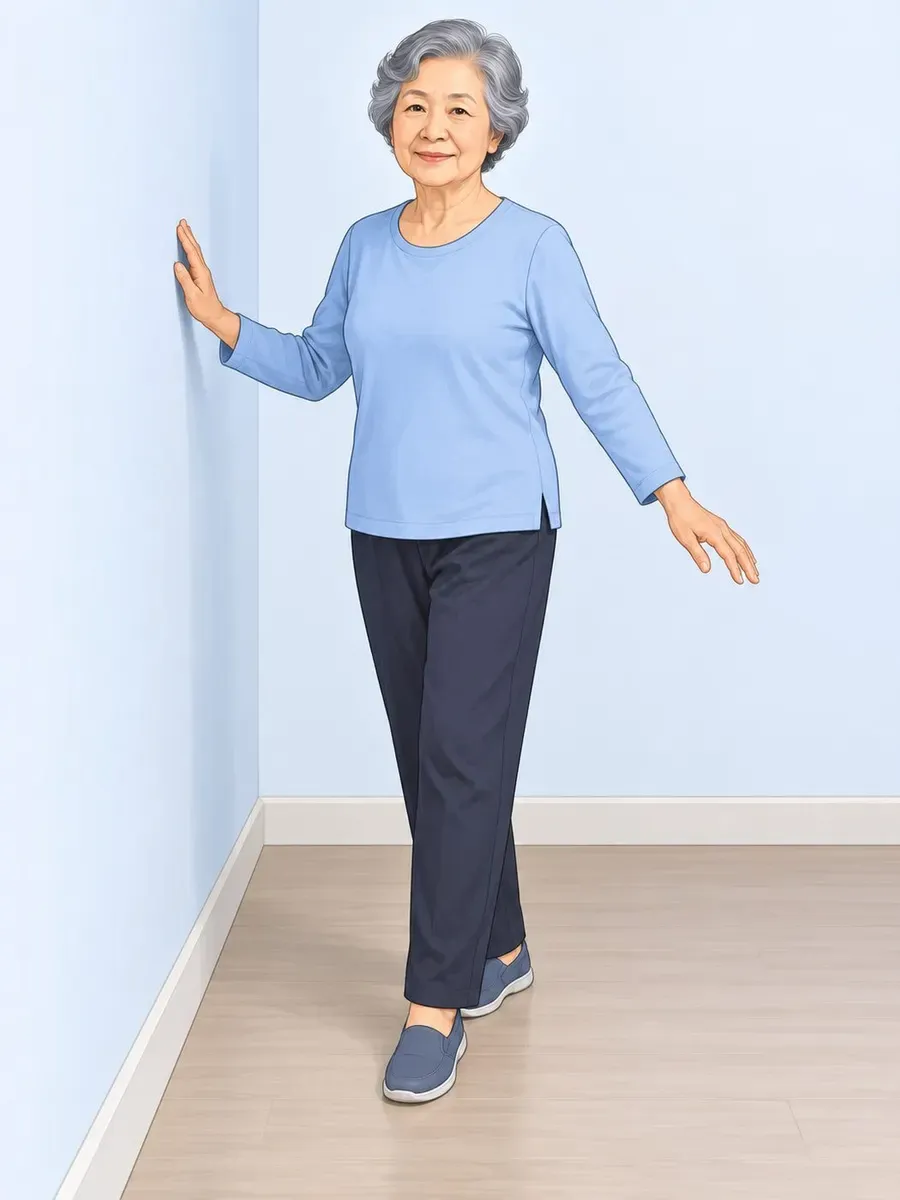
Heel-to-toe stand
3 times · hold 10 seconds
Stand side-on to the wall and place one heel directly in front of the other toes, in a straight line. Hold your arms out slightly for balance, hold for 10 seconds, then change which foot is in front.
Strength
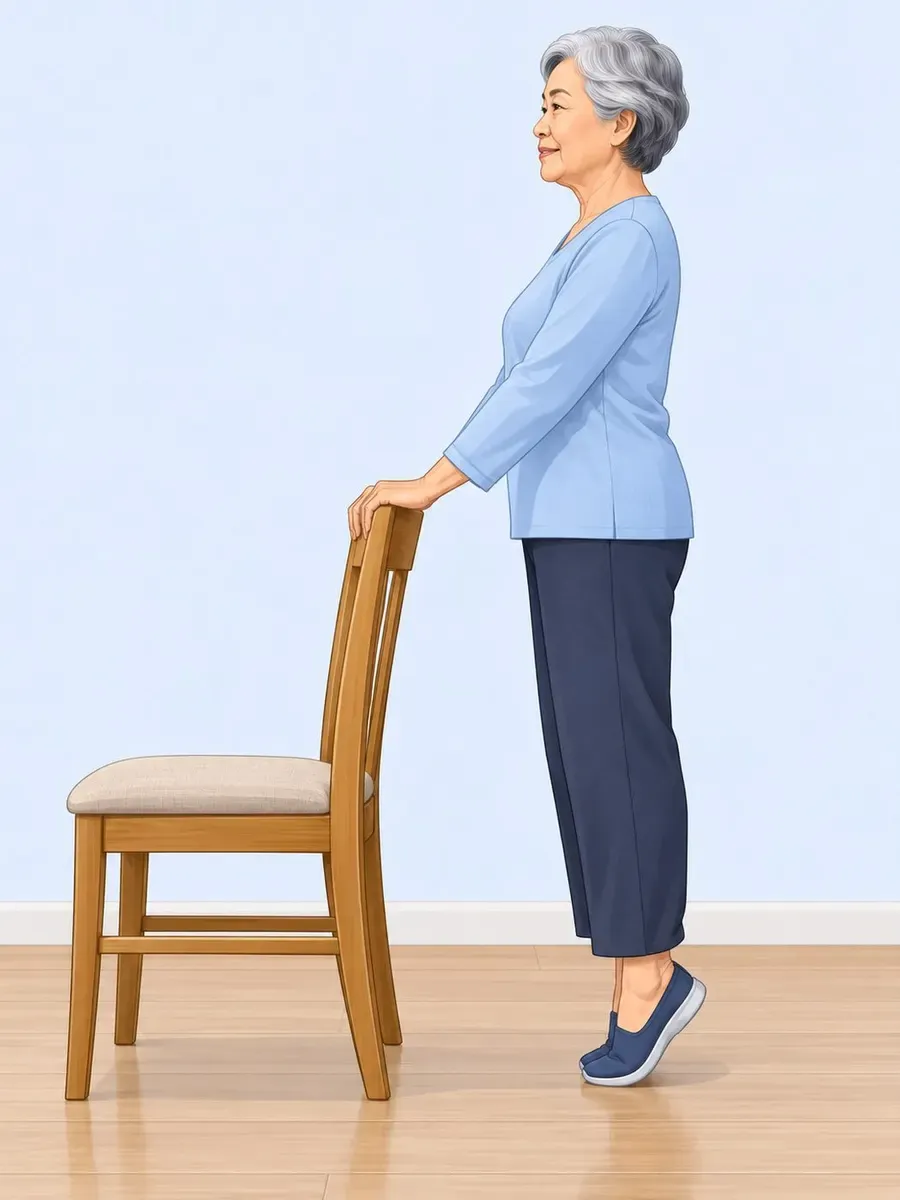
Heel raises
2 rounds · 15 times · hold 2 seconds
Hold the chair back and slowly rise up onto your toes as high as you comfortably can. Hold for 2 seconds, then lower your heels back to the floor slowly.
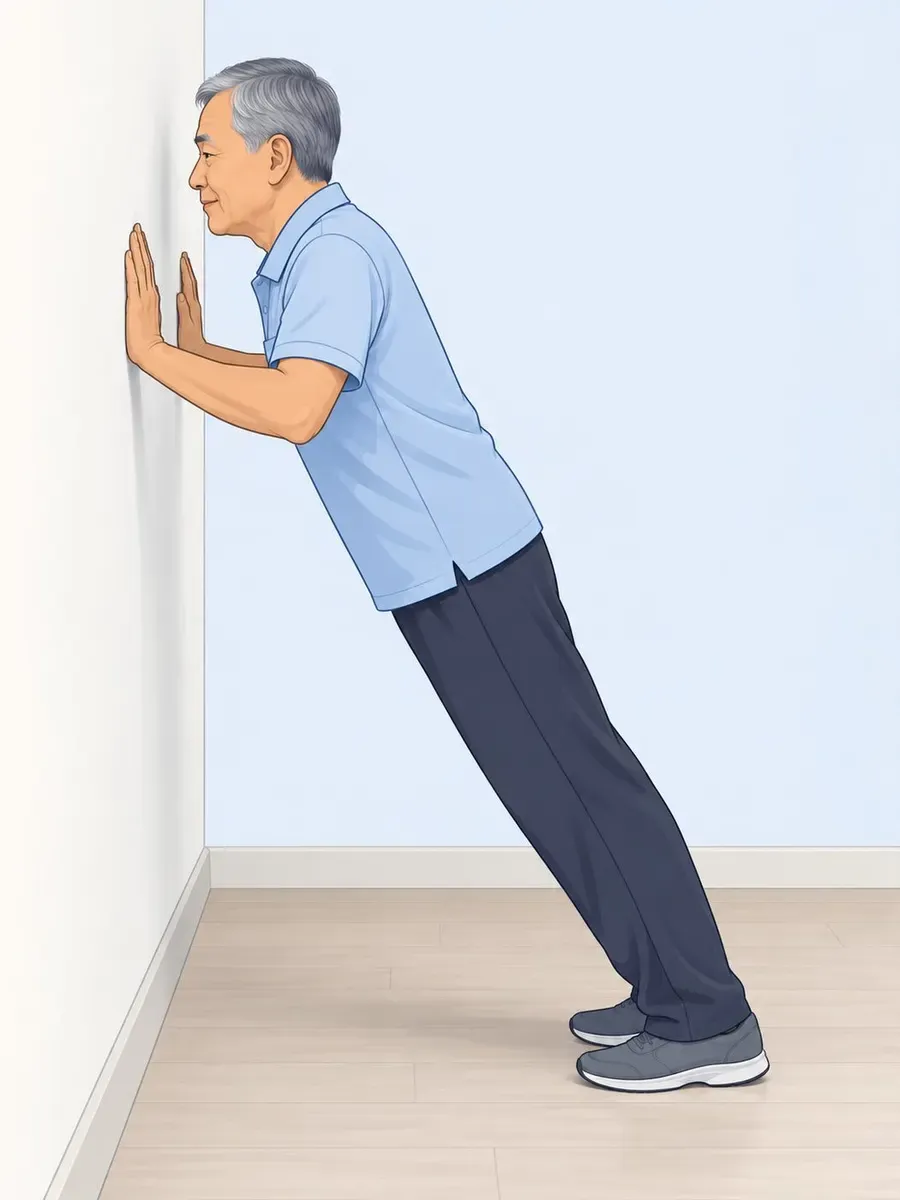
Wall push-ups
2 rounds · 10 times
Face the wall about an arm’s length away with palms on the wall at shoulder height. Bend your elbows to bring your body towards the wall, keeping it straight, then push back.
Posture and the spine
Hip hinge — bend at the hips, not the back
10 times
Stand with feet hip-width apart and gently tighten your stomach. Push your hips backwards and bend the knees slightly, keeping your back straight like a ruler, then stand up using your hip muscles.
A short clip with no sound. Nothing downloads until you press play.
Chin tuck
2 rounds · 10 times · hold 5 seconds
Sit or stand tall looking straight ahead. Gently draw your chin back towards your neck, making a double chin, hold for 5 seconds, then release. Do not tip your head up or down.
A short clip with no sound. Nothing downloads until you press play.
Shoulder blade squeeze
2 rounds · 10 times · hold 5 seconds
Sit or stand tall with arms by your sides. Squeeze your shoulder blades together as if holding a pencil between them, hold 5 seconds, then release. Keep your shoulders down, not shrugged.
A short clip with no sound. Nothing downloads until you press play.
How to pick things up safely
practise 5 times
Get as close to the object as you can. Bend your knees or kneel on one knee, keeping your back straight, and support yourself with a hand on your thigh or furniture. Pick the item up and push up with your legs. Never bend and twist your back while lifting.
A short clip with no sound. Nothing downloads until you press play.
Measuring your own progress
Two tests you can do at home, and both give a number your doctor can use.
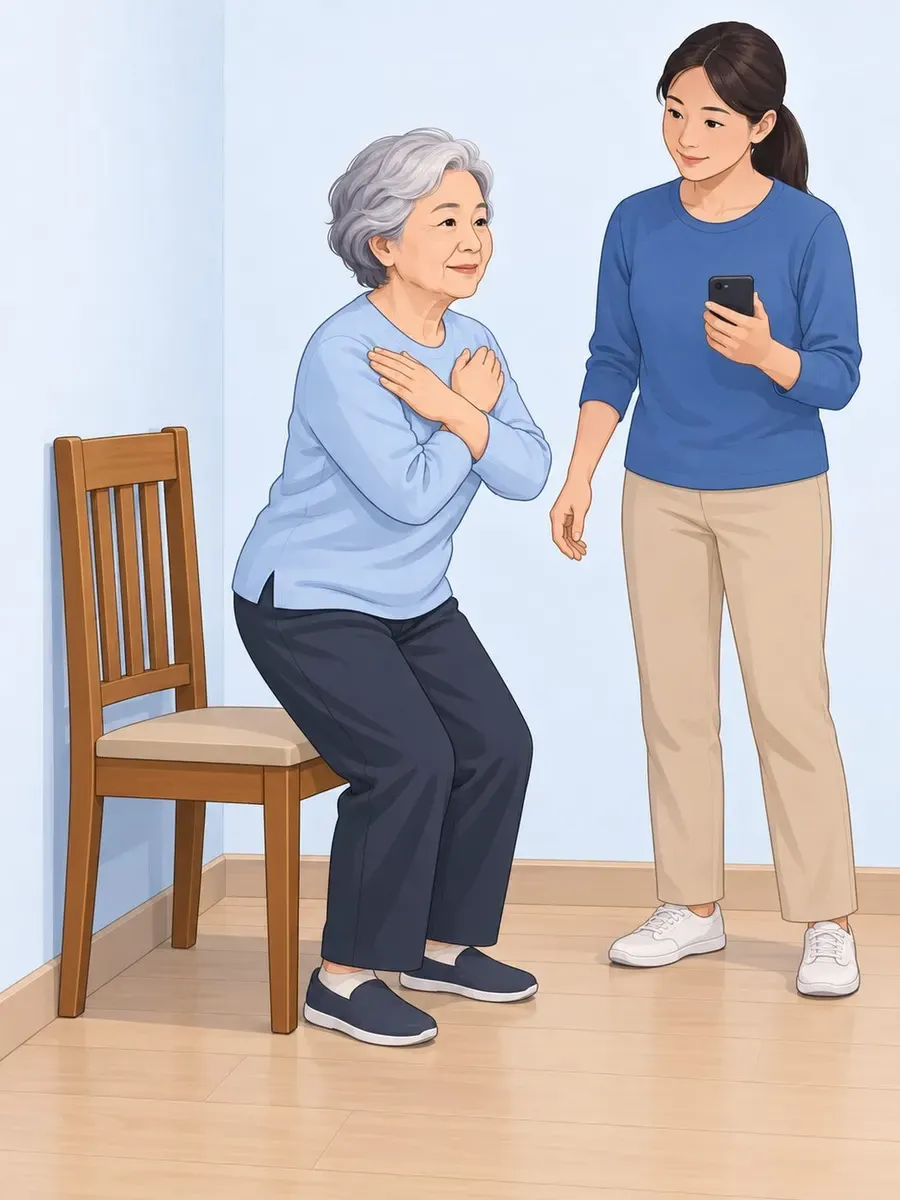
30-second chair stand — sit in the middle of the chair with arms crossed. Stand up fully, then sit back down, as many times as you can in 30 seconds, and count them. The pass mark depends on your age and sex, so take the number to your doctor.
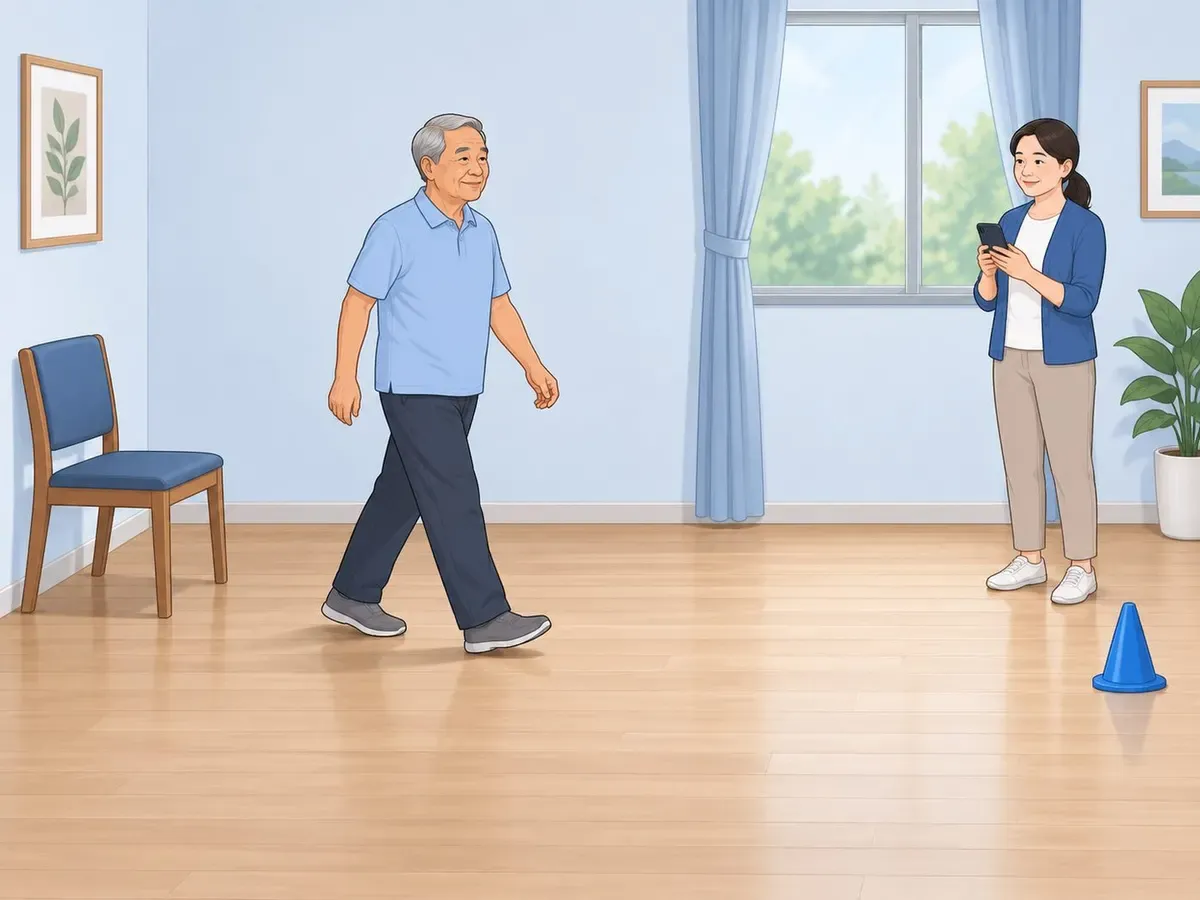
Timed Up and Go — stand up from the chair, walk 3 metres, turn around, walk back and sit down. Time it from standing to sitting. Twelve seconds or more means a higher chance of falling, and is worth telling your doctor.
Prevention and self-care
Stronger bone only helps if you stay on your feet, so preventing falls carries as much weight as treating the bone.
A safer home
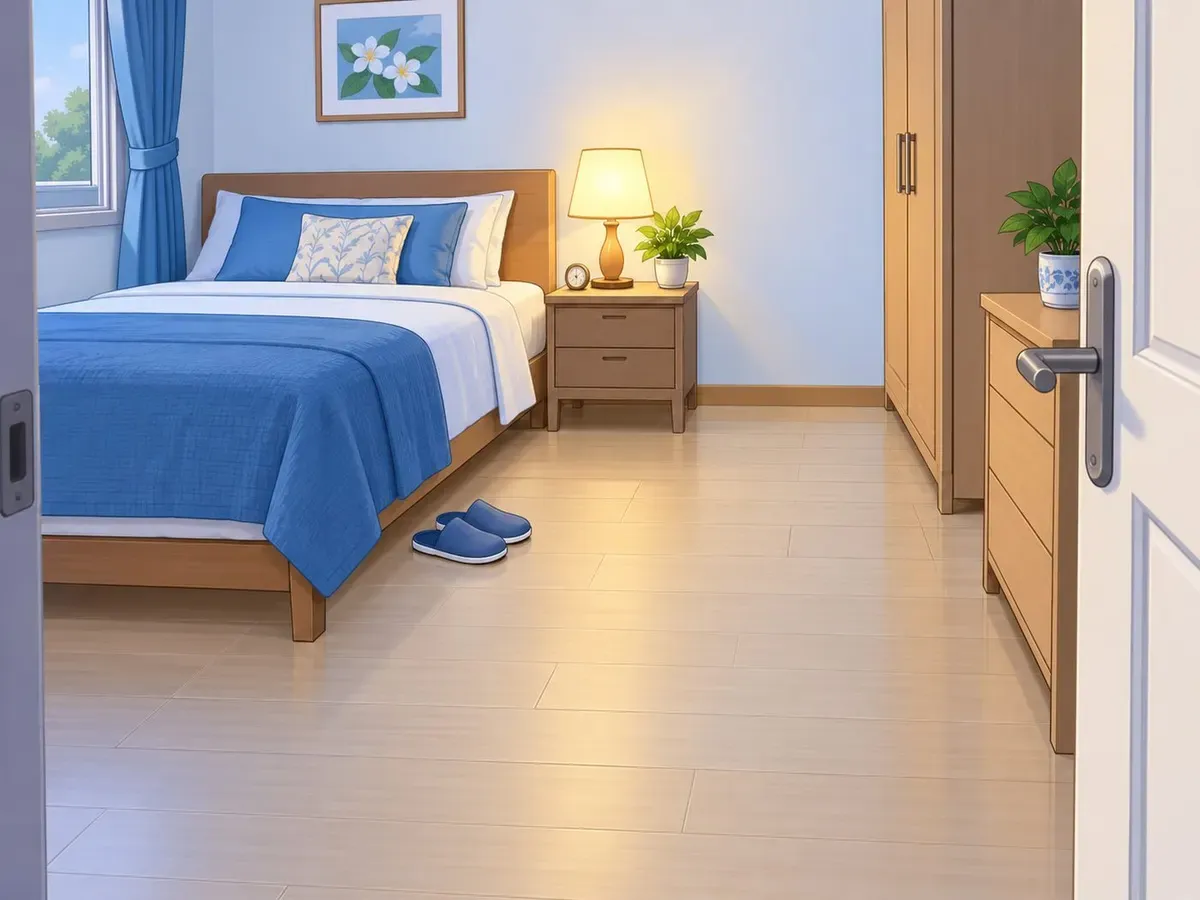
Bedroom — a night light you can reach easily, a clear path from bed to bathroom, a phone within reach of the bed, and a bed at a height where your feet touch the floor when you sit.
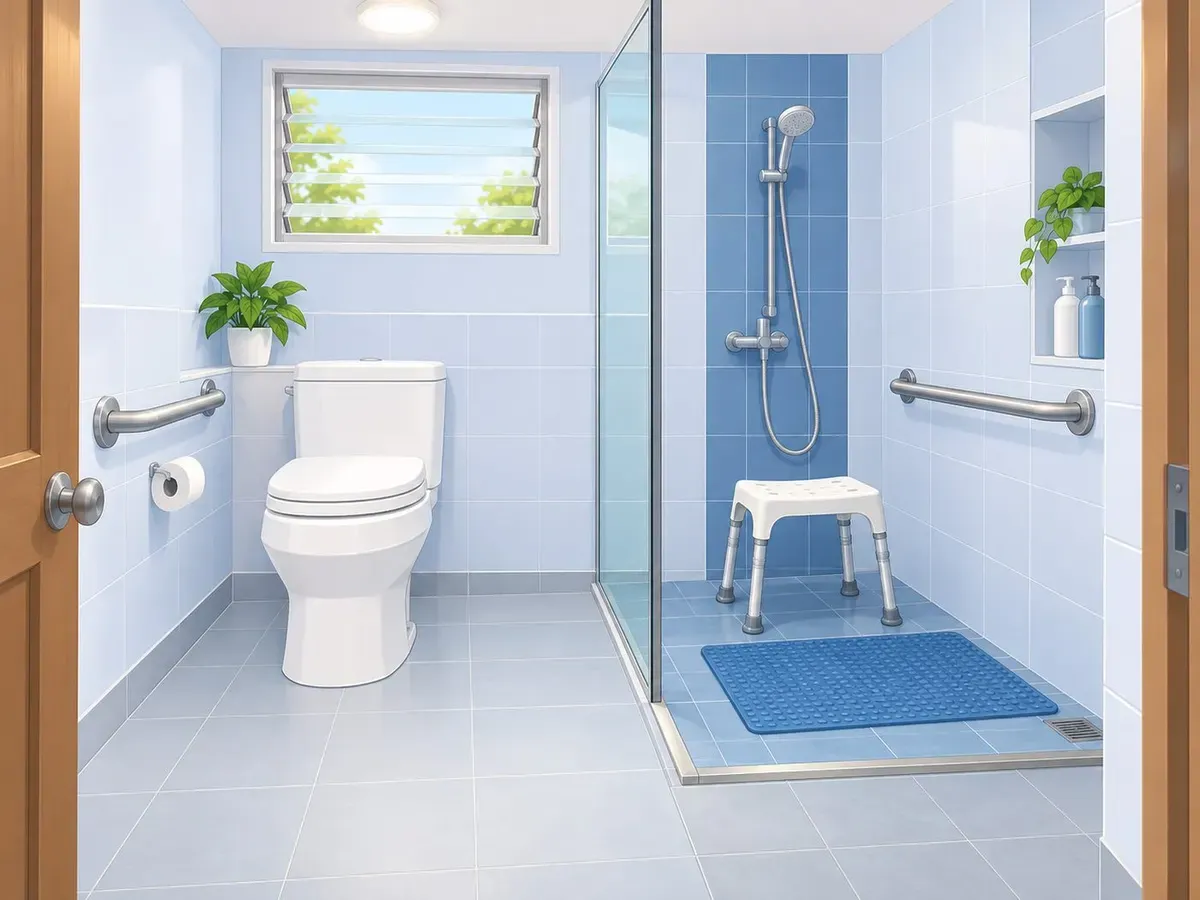
Bathroom — grab rails beside the toilet and in the shower, a non-slip mat, a floor kept dry, and enough light day and night.
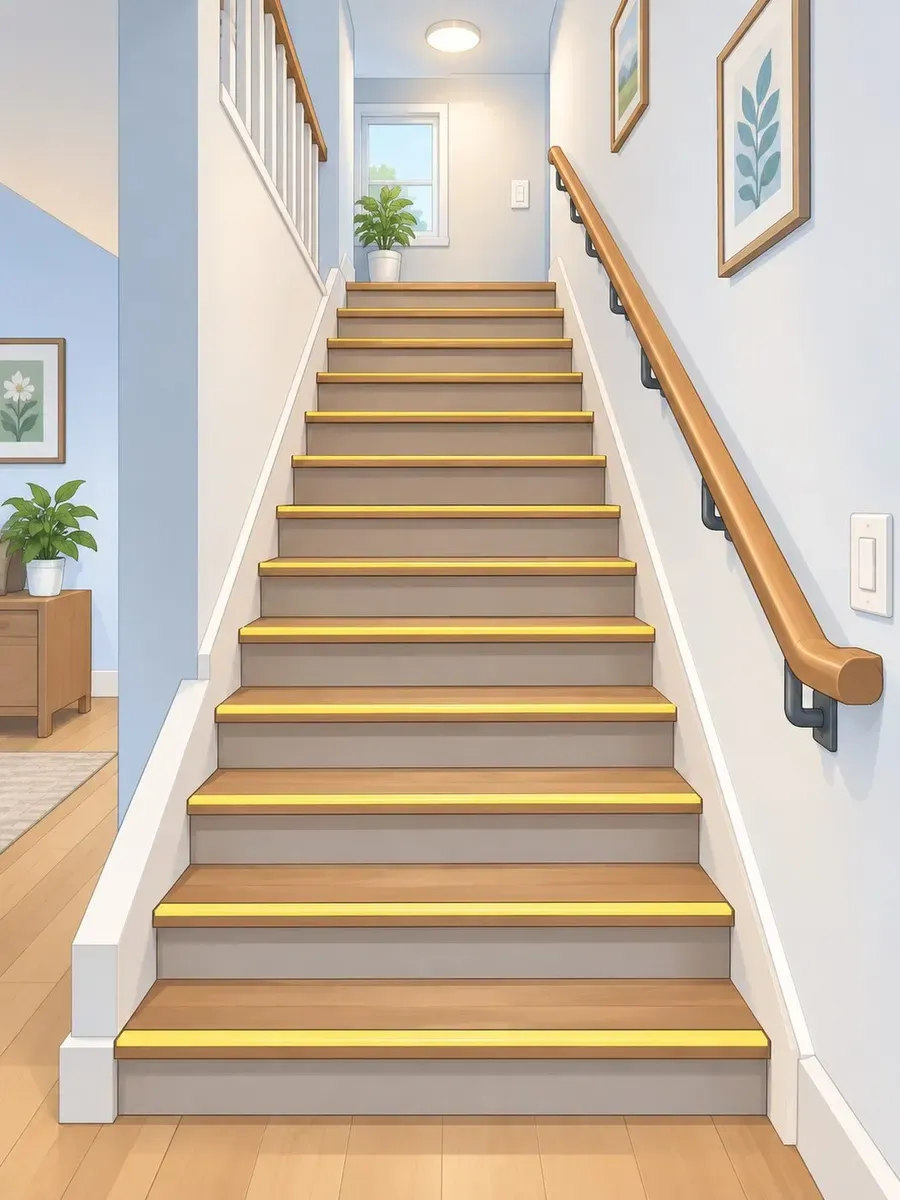
Stairs — a firm handrail along at least one side, step edges you can see clearly or marked with contrasting tape, enough light with switches top and bottom, and nothing left on the steps.
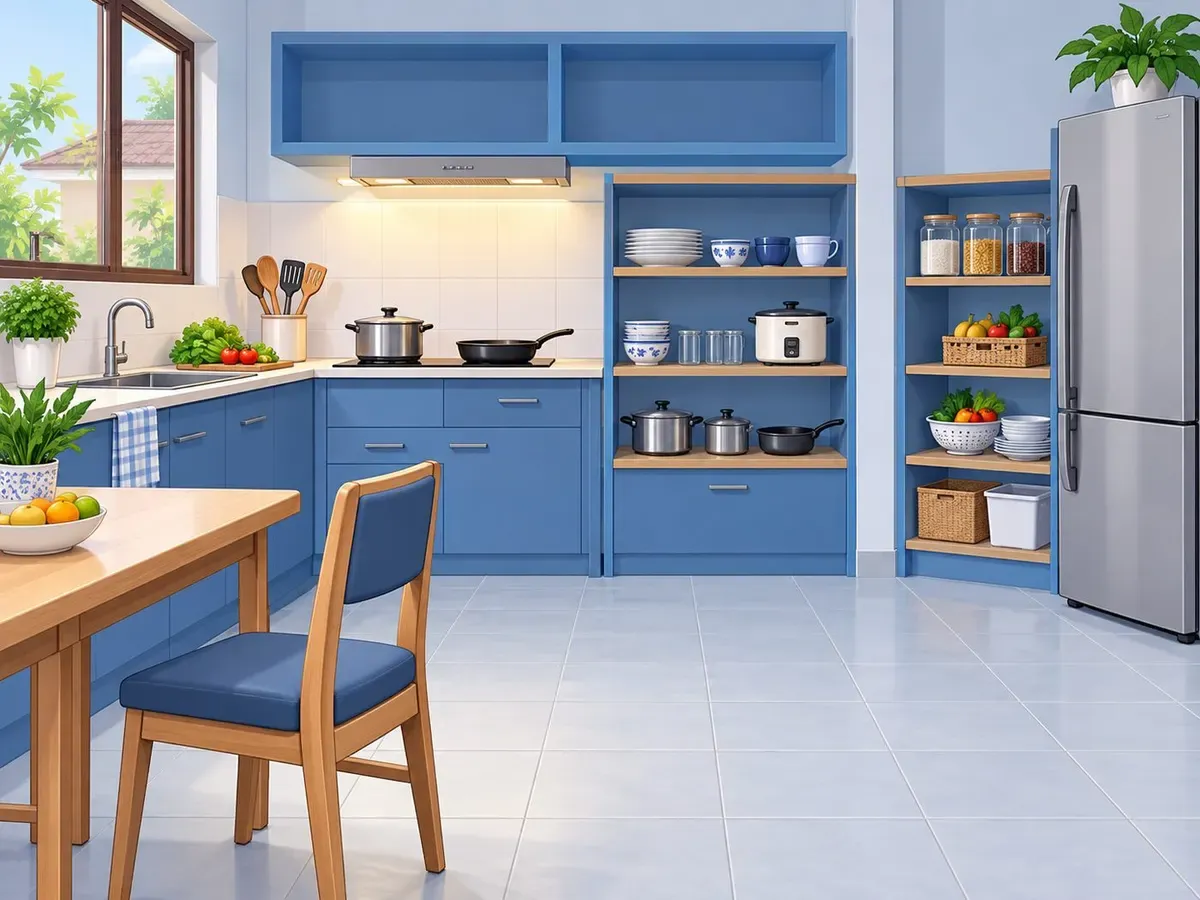
Kitchen — everyday items between waist and shoulder height so you never climb or stretch, a non-slip mat at the sink, no cables across walkways, and spills wiped up at once.
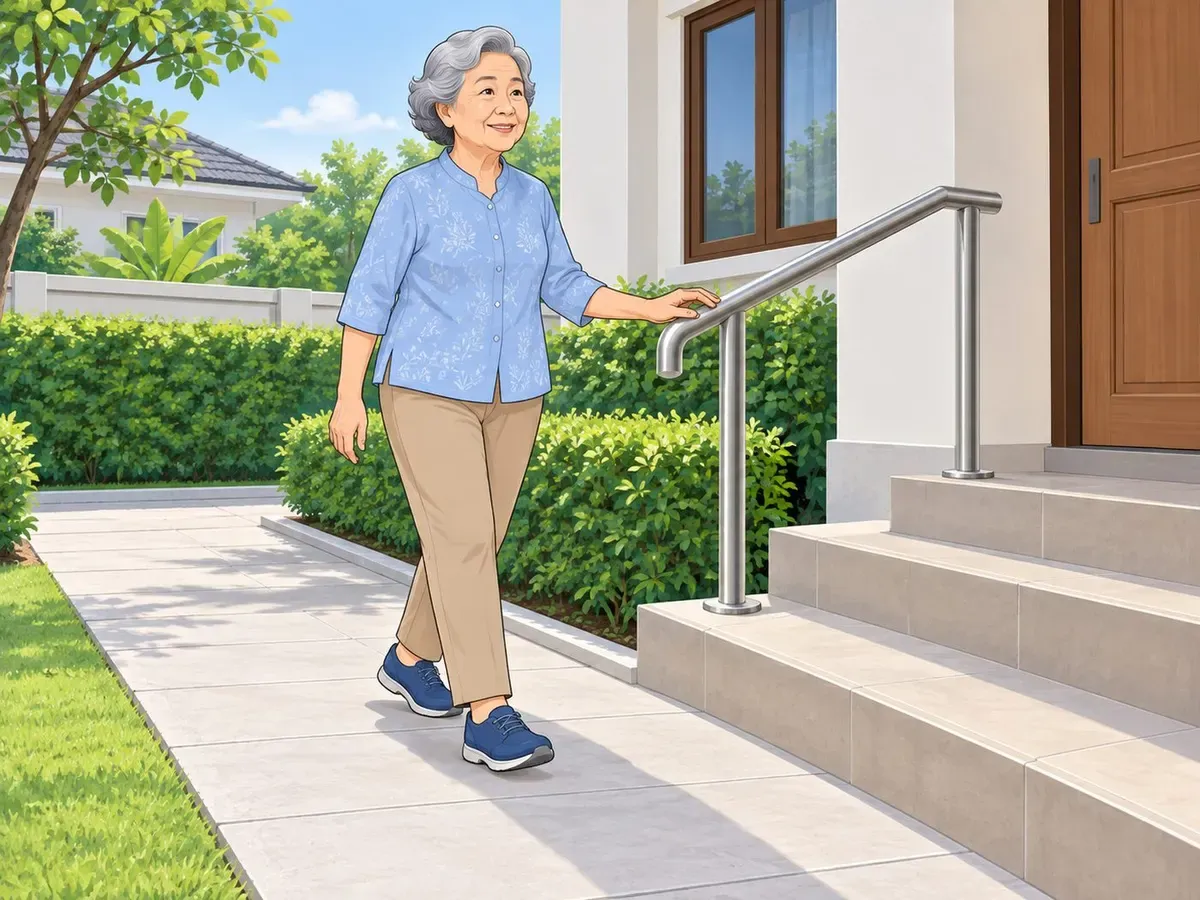
Outdoors — no loose doormats or clutter at the entrance, changes in level clearly visible, and lighting around the house at night.
Three things people overlook
Shoes. Wear closed-heel shoes with non-slip soles that fit well. Avoid loose sandals, and never walk on slippery floors in socks or bare feet.
Eyes. Have your eyes checked at least once a year. If you wear multifocal glasses, take extra care on stairs.
Medicines that make falls more likely. Sleeping pills, medicine for worry, some blood pressure pills, allergy medicine and alcohol can all make you sleepy or dizzy. Once a year, show your doctor every medicine you take.
Questions to ask your doctor
- What is my bone density result, and what does it mean?
- Roughly what is my chance of breaking a bone in the next ten years?
- Should I be starting medicine, and why?
- What are the side effects of the medicine you suggest, and how long would I take it?
- How much calcium and vitamin D do I need each day, and should it come from food or a supplement?
Frequently asked questions
What does osteoporosis feel like?
Usually nothing at all until a bone breaks, which is why it is often called a silent disease. The signs you can notice are losing height, a back that becomes rounded, or breaking a bone in a fall that should not have broken anything.
What does the T-score mean?
The T-score is a number that says how solid your bones are, compared with a healthy young adult. Above -1 is normal. Between -1 and -2.5 means thinning. Minus 2.5 or lower means osteoporosis.
Is calcium on its own enough?
No. Calcium and vitamin D are supplements, not treatment for thin bones. Both are needed for the medicine to work, but most people who already have osteoporosis need medicine as well.
Will I be on medicine for life?
Not necessarily. Different medicines are used for different lengths of time and your doctor reviews this periodically. What matters is never stopping on your own — stopping denosumab injections without another medicine to follow can break several bones in the back at once.
Which exercises should I avoid?
Avoid sit-ups, straight-leg toe touches, forceful twisting and lifting heavy things with a bent back — these load the spine.
Do men get osteoporosis?
Yes, and it is often missed. A scan is usually advised for every man aged 70 and over, and for men aged 50 to 69 who smoke, drink a lot, or take steroid tablets. Ask your doctor whether you should be tested.
References
A self-care app for this condition
Free, and made by the author of this article.
 Osteoporosis Care
Helps you check your fracture and fall risk, work out how much calcium and vitamin D you get each day, and follow balance exercises with video demonstrations.
Open the appRelated educational reading
These pages explain tests, treatments and rehabilitation that often come up with this condition. They are general reading, not a treatment sequence arranged for you — that has to come from a doctor who has examined you.
Related conditions
Written by Assoc. Prof. Sorawut Thamyongkit, M.D.