
Injections into and around a joint
Injections can reduce symptoms in some conditions at some moments, but they are not a permanent fix, and the evidence differs by what is injected. This page sets out what each kind does.
Where injections sit
An injection is neither the first step nor the last. It is generally considered when activity change, rehabilitation and oral or topical medicine have not been enough, and when reducing symptoms for a while would let you get on with recovery.
That is the key point: an injection pays off most when you use the better weeks to do the rehabilitation. Spend them going back to full load instead, and the symptoms usually return.
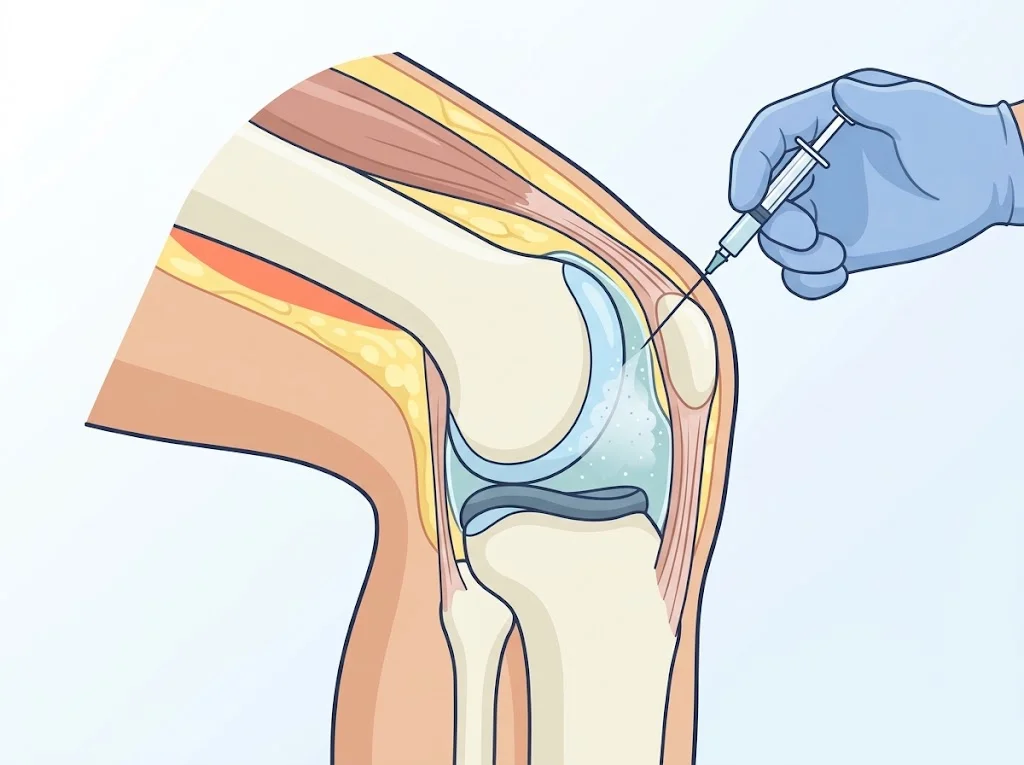
What gets injected
Corticosteroid
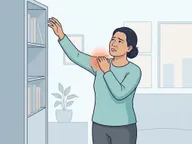
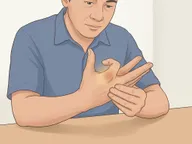
The most commonly used. It reduces inflammation quickly, often within days, and is used in conditions such as frozen shoulder, trigger finger and osteoarthritis with an inflammatory component.
The limits are that the effect lasts weeks to months rather than permanently, and that repeating it too often is not good for the surrounding tissue — so doctors space injections out and cap the number. Anyone with diabetes should know that blood glucose can rise for a short period afterwards.
Hyaluronic acid
A systematic review and meta-analysis of 19 randomised trials with 1,629 patients, across rotator cuff disease, elbow pain, ankle sprains, Achilles and patellar tendinopathy and trigger finger, found benefit for pain in the short term and beyond 12 weeks compared with placebo and other comparators.
The reviewers also noted high heterogeneity between trials in some conditions, and uncertain benefit specifically for trigger finger, concluding that larger trials are needed to establish how it compares with other injectables.
Platelet-rich plasma (PRP)
Your own blood is spun down and re-injected. The evidence is inconsistent and varies considerably by condition and preparation method. It is often expensive and frequently not covered. If it is offered, ask directly how strong the evidence is for your particular problem.
During and after
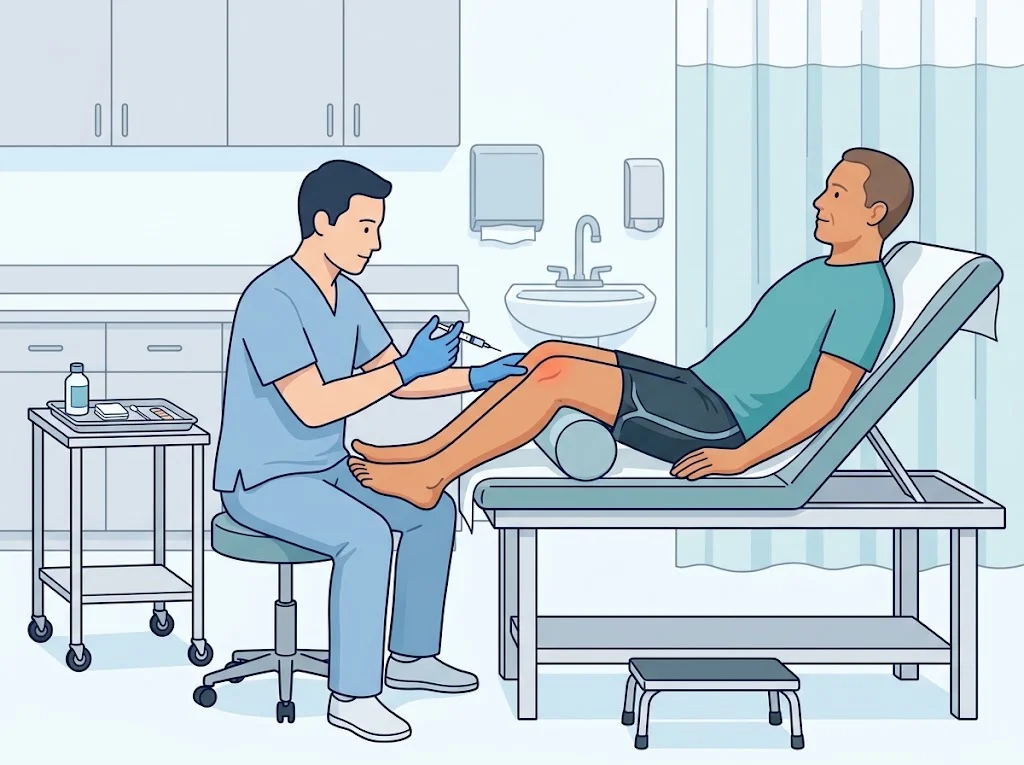
The injection itself is quick. The skin is cleaned and local anaesthetic may be used; some sites are done under ultrasound guidance for accuracy.
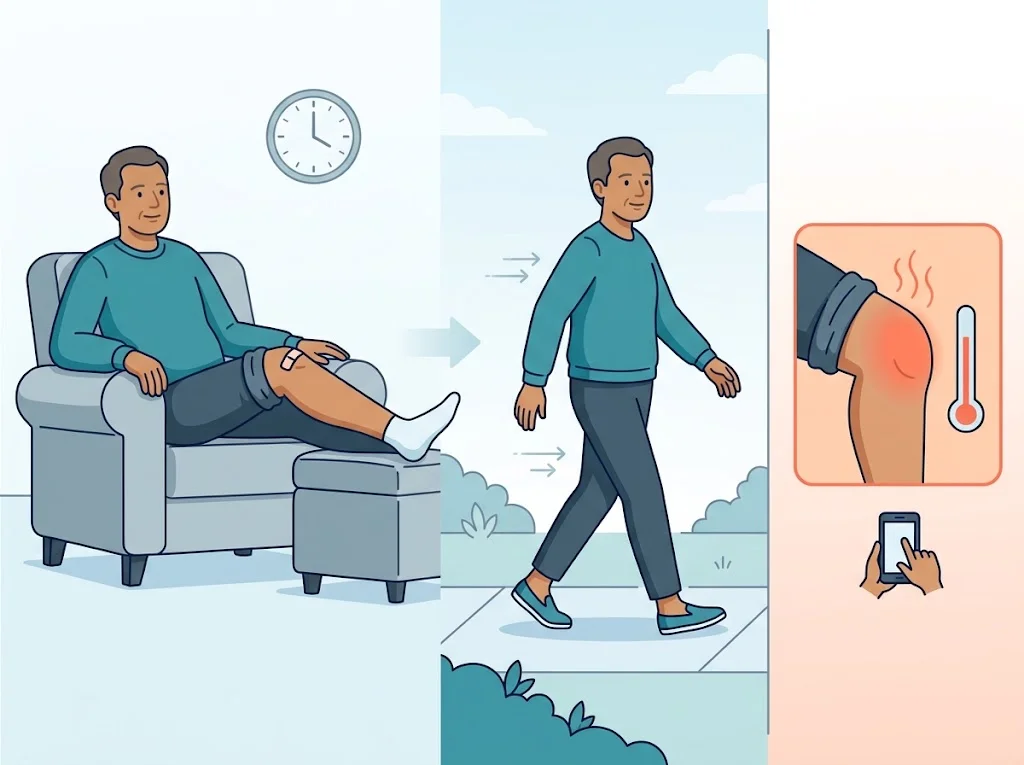
Afterwards it can ache or feel tighter for a day or two before it improves. Doctors usually advise avoiding heavy use briefly, then starting the rehabilitation programme.
When to see a doctor
Questions to ask your doctor
- What exactly is being injected, and how long is it expected to last?
- How good is the evidence for this injection in my condition?
- How many can I have, and how far apart?
- What should I do and avoid afterwards, and for how many days?
- If it does not help, what is next?
Frequently asked questions
Can I have steroid injections often?
They should be spaced out and limited in number, because repeating them too frequently is not good for the tissue around the joint. Your doctor will set an interval that suits your case.
Will an injection cure it?
Most injections reduce symptoms for a while, to give you a window for rehabilitation and activity change. Used that way, the benefit usually lasts longer than the injection alone would.
Why do some doctors use ultrasound to guide the needle?
To see the needle tip while injecting and place the drug precisely — particularly for deeper joints, or where structures sit close together.
References
Related conditions

Written by Assoc. Prof. Sorawut Thamyongkit, M.D.